News & Updates

Abramson Cancer Center Director Elected to Lead American Association for Cancer Research

Monday, March 23, 2026

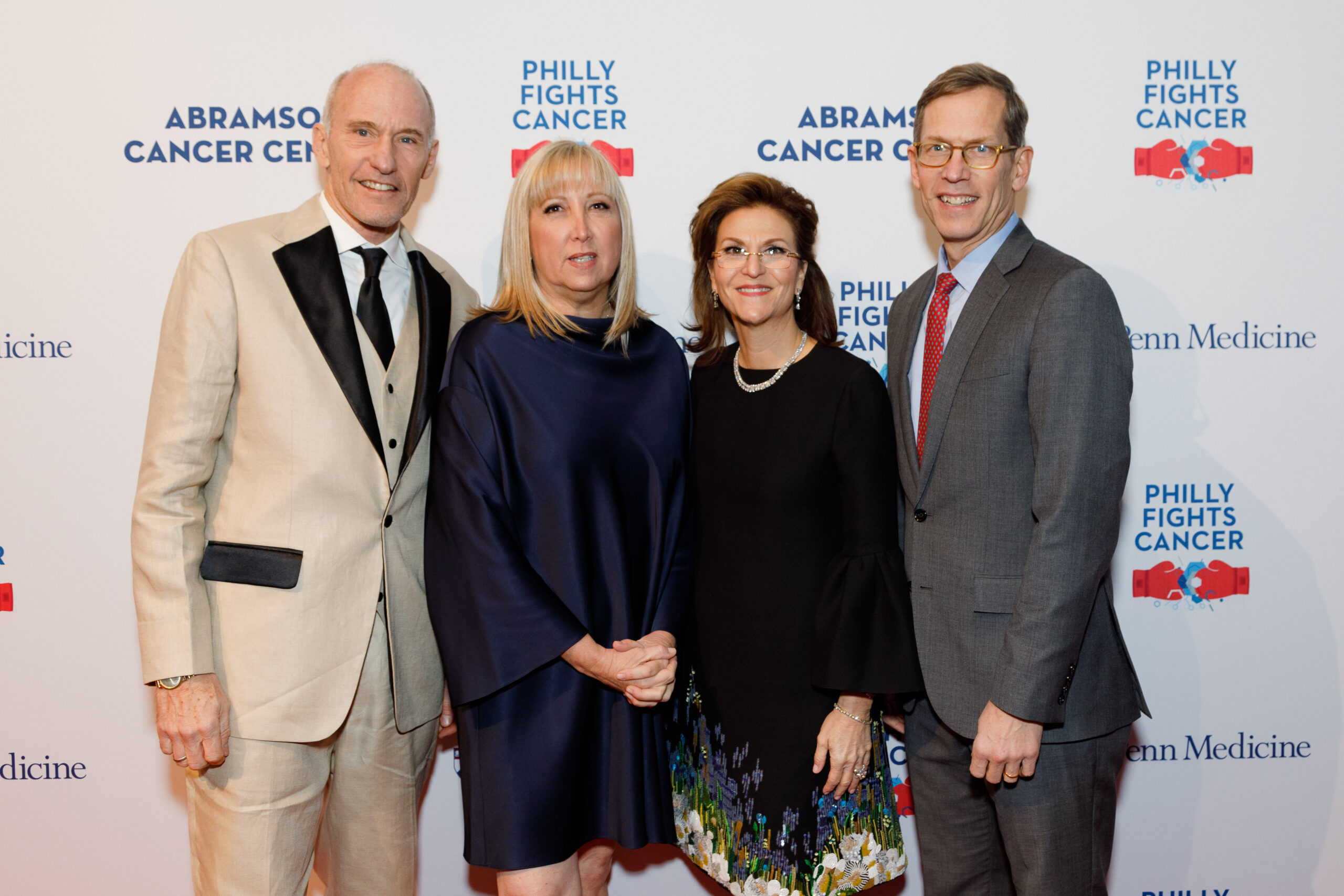
The momentum behind cancer research continues to build in Philadelphia, as Robert Herman Vonderheide, MD, DPhil, director of the Abramson Cancer Center, has been elected President-Elect of the American Association for Cancer ResearchĀ (AACR). As the world’s largest cancer research organization, AACR plays a pivotal role in shaping the future of cancer science, making this appointment a significant milestone not only for Dr. Vonderheide, but for Philadelphia’s standing as a global leader in innovation. His groundbreaking work in cancer immunotherapy and translational research, alongside the election of E. John Wherry, PhD, to the AACR Board of Directors, highlights the depth of expertise and leadership emerging from Abramson and the University of Pennsylvania.

This moment is also a powerful reminder of the role community support plays in driving progress. Through its mission to fundraise for the Abramson Cancer Center, Philly Fights CancerĀ helps fuel the research, talent, and breakthroughs that elevate Philadelphia onto the world stage. Leadership appointments like this don’t happen in isolation—they are made possible by sustained investment in science and innovation. As the city continues to lead in the fight against cancer, moments like these reflect both how far we’ve come and the impact we can continue to make together. Read more about Dr. Vonderheide's electionĀ here.

4 people posing in front of a Philly Fights Cancer step and repeat

Want to stay informed?

Sign-up for Our Newsletter
for Philly Fights Cancer News.

Sign Up

The momentum behind cancer research continues to build in Philadelphia, as Robert Herman Vonderheide, MD, DPhil, director of the Abramson Cancer Center, has been elected President-Elect of the American Association for Cancer ResearchĀ (AACR). As the world’s largest cancer research organization, AACR plays a pivotal role in shaping the future of cancer science, making this appointment a significant milestone not only for Dr. Vonderheide, but for Philadelphia’s standing as a global leader in innovation. His groundbreaking work in cancer immunotherapy and translational research, alongside the election of E. John Wherry, PhD, to the AACR Board of Directors, highlights the depth of expertise and leadership emerging from Abramson and the University of Pennsylvania.

This moment is also a powerful reminder of the role community support plays in driving progress. Through its mission to fundraise for the Abramson Cancer Center, Philly Fights CancerĀ helps fuel the research, talent, and breakthroughs that elevate Philadelphia onto the world stage. Leadership appointments like this don’t happen in isolation—they are made possible by sustained investment in science and innovation. As the city continues to lead in the fight against cancer, moments like these reflect both how far we’ve come and the impact we can continue to make together. Read more about Dr. Vonderheide's electionĀ here.

4 people posing in front of a Philly Fights Cancer step and repeat

News & Updates

Sniffing Out Cancer: Trained Dogs Can Detect Hemangiosarcoma by Scent

Tuesday, March 10, 2026

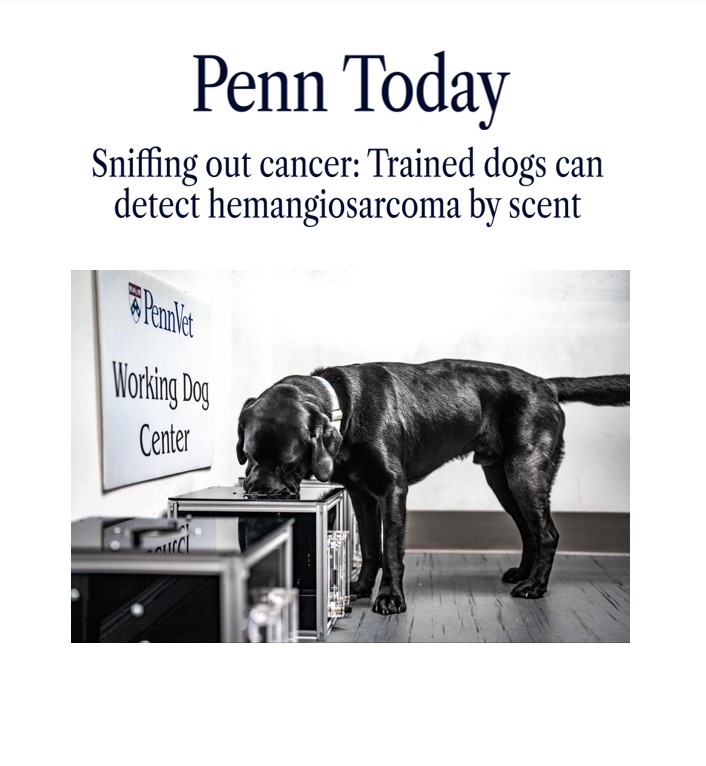
At Philly Fights Cancer,Ā we’reĀ proud to support groundbreaking discoveries happening at the University of Pennsylvania — and sometimes innovation comes with four legs and a powerful nose. Researchers at Penn’s School of Veterinary Medicine, led by Cynthia M. Otto and Clara Wilson, have shown that trained dogs can detect hemangiosarcoma — a fast-moving, often fatal cancer in dogs — simply by scent. Because this disease is usually discovered only afterĀ sudden collapse, early diagnosis has long beenĀ nearly impossible. ByĀ identifyingĀ unique odor signatures made of volatile organic compounds in blood samples, detection dogs correctly recognized cancer about 70% of the time, offering a promising first step toward a reliable screening tool.Ā 

Why does this matter beyond veterinary medicine? Cancer biology crosses species, and the ability to detect subtle molecular changes earlier is one of the most important frontiers in research. If scientists can translate these scent signatures into a machine-based test, veterinarians could screen dogs annually and intervene sooner — preventing spread, starting treatment earlier, and opening doors for clinical trials. Advances like this embody our mission: funding bold science that improves outcomes, accelerates therapies, andĀ ultimately benefitsĀ both pets and people. Every breakthrough begins as a small signal — and sometimes, it takes a dog to help us smell the future of cancer detection.Ā 

Read more about these amazing discoveries here: Sniffing out cancer: Trained dogs can detect hemangiosarcoma by scent | Penn Today

photo of article from Penn Today picturing a dog trained to detect hemangiosarcoma by scent.

Want to stay informed?

Sign-up for Our Newsletter
for Philly Fights Cancer News.

Sign Up

At Philly Fights Cancer,Ā we’reĀ proud to support groundbreaking discoveries happening at the University of Pennsylvania — and sometimes innovation comes with four legs and a powerful nose. Researchers at Penn’s School of Veterinary Medicine, led by Cynthia M. Otto and Clara Wilson, have shown that trained dogs can detect hemangiosarcoma — a fast-moving, often fatal cancer in dogs — simply by scent. Because this disease is usually discovered only afterĀ sudden collapse, early diagnosis has long beenĀ nearly impossible. ByĀ identifyingĀ unique odor signatures made of volatile organic compounds in blood samples, detection dogs correctly recognized cancer about 70% of the time, offering a promising first step toward a reliable screening tool.Ā 

Why does this matter beyond veterinary medicine? Cancer biology crosses species, and the ability to detect subtle molecular changes earlier is one of the most important frontiers in research. If scientists can translate these scent signatures into a machine-based test, veterinarians could screen dogs annually and intervene sooner — preventing spread, starting treatment earlier, and opening doors for clinical trials. Advances like this embody our mission: funding bold science that improves outcomes, accelerates therapies, andĀ ultimately benefitsĀ both pets and people. Every breakthrough begins as a small signal — and sometimes, it takes a dog to help us smell the future of cancer detection.Ā 

Read more about these amazing discoveries here: Sniffing out cancer: Trained dogs can detect hemangiosarcoma by scent | Penn Today

photo of article from Penn Today picturing a dog trained to detect hemangiosarcoma by scent.