News & Updates
Revolutionizing Cancer Care with AI and Next Gen Medical Imaging
Sunday, February 22, 2026
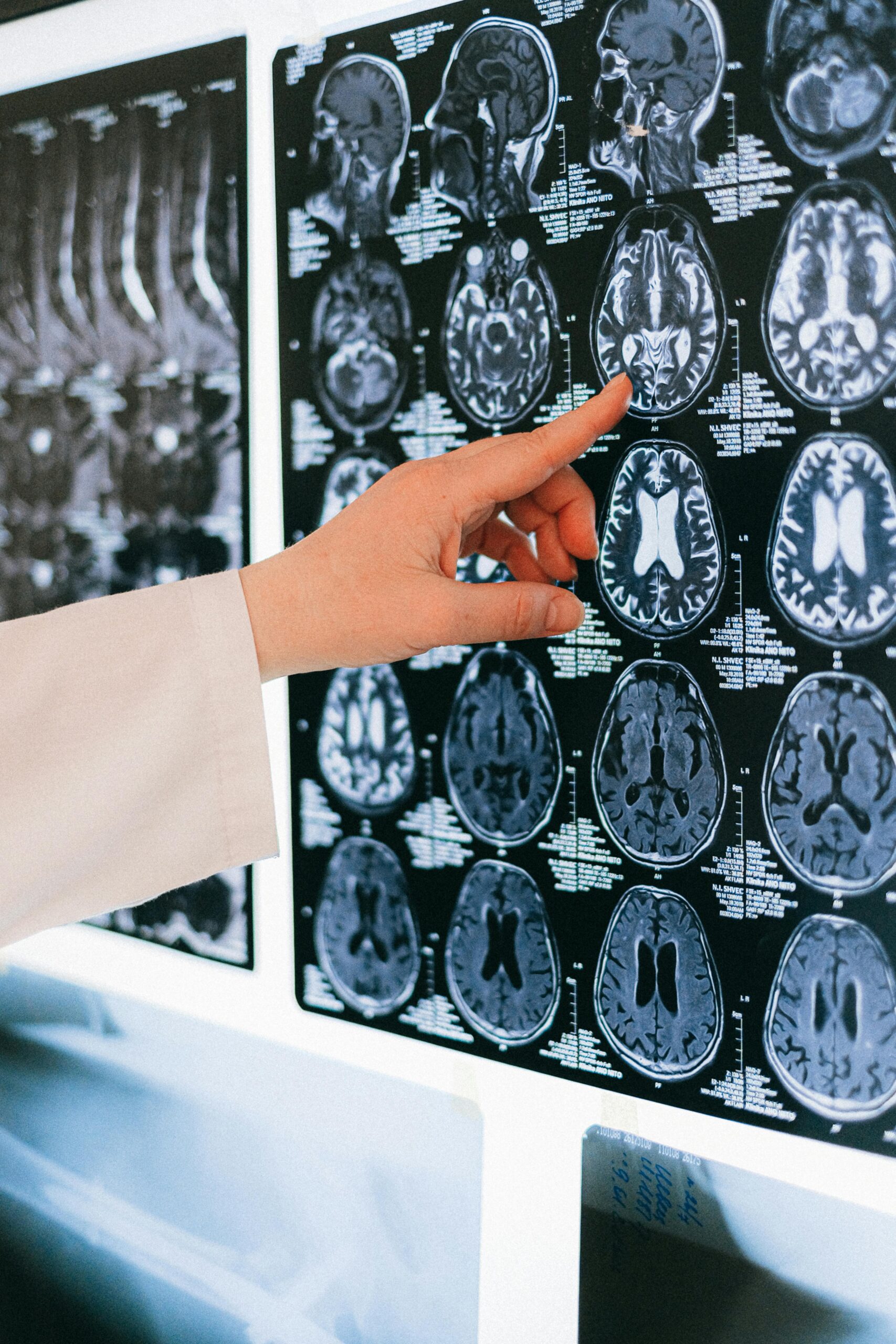
At Philly Fights Cancer, we believe the future of oncology depends on finding cancer earlier and guiding patients through treatment faster — and innovation at Penn Medicine is doing exactly that. Clinicians at Penn Medicine Princeton Health are using artificial intelligence alongside advanced imaging to detect disease before symptoms begin. AI now flags incidental lung nodules found during routine CT scans — often discovered when patients come to the emergency department for unrelated issues — ensuring they are reviewed by a multidisciplinary team instead of being overlooked. The same technology is improving colonoscopies by highlighting tiny or flat precancerous polyps that can be removed before they ever become cancer. Just as importantly, AI automatically alerts nurse navigators when a new cancer is identified, helping patients begin treatment sooner and reducing the anxiety of waiting.
These advances build on Penn’s long history of medical imaging leadership and point toward a more personalized era of care. Next-generation CT, MRI, and PET/CT scanners will deliver clearer images with less radiation, shorter appointments, and faster scheduling — all while helping physicians tailor therapies to the biology of each patient’s tumor. Together, intelligent software and precision imaging are transforming cancer care from reactive to proactive: detecting earlier, coordinating faster, and treating smarter. Supporting research and innovation like this is central to our mission — accelerating breakthroughs that improve survival and quality of life for patients today while shaping a more hopeful future for everyone facing cancer tomorrow.
Read the full article from Princeton Perspectives here: https://princetonperspectives.com/revolutionizing-cancer-care-with-ai-and-next-gen-medical-imaging/
Share this post




At Philly Fights Cancer, we believe the future of oncology depends on finding cancer earlier and guiding patients through treatment faster — and innovation at Penn Medicine is doing exactly that. Clinicians at Penn Medicine Princeton Health are using artificial intelligence alongside advanced imaging to detect disease before symptoms begin. AI now flags incidental lung nodules found during routine CT scans — often discovered when patients come to the emergency department for unrelated issues — ensuring they are reviewed by a multidisciplinary team instead of being overlooked. The same technology is improving colonoscopies by highlighting tiny or flat precancerous polyps that can be removed before they ever become cancer. Just as importantly, AI automatically alerts nurse navigators when a new cancer is identified, helping patients begin treatment sooner and reducing the anxiety of waiting.
These advances build on Penn’s long history of medical imaging leadership and point toward a more personalized era of care. Next-generation CT, MRI, and PET/CT scanners will deliver clearer images with less radiation, shorter appointments, and faster scheduling — all while helping physicians tailor therapies to the biology of each patient’s tumor. Together, intelligent software and precision imaging are transforming cancer care from reactive to proactive: detecting earlier, coordinating faster, and treating smarter. Supporting research and innovation like this is central to our mission — accelerating breakthroughs that improve survival and quality of life for patients today while shaping a more hopeful future for everyone facing cancer tomorrow.
Read the full article from Princeton Perspectives here: https://princetonperspectives.com/revolutionizing-cancer-care-with-ai-and-next-gen-medical-imaging/